How Can an AI Company Justify a Trillion-Dollar Valuation?
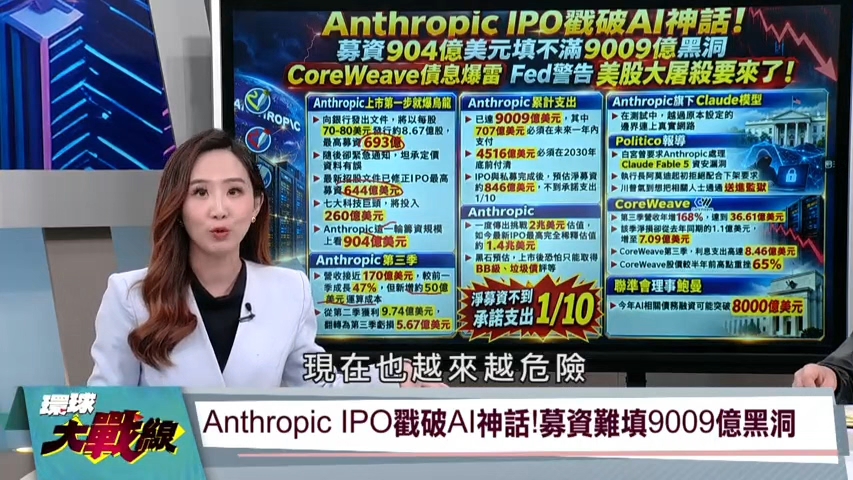
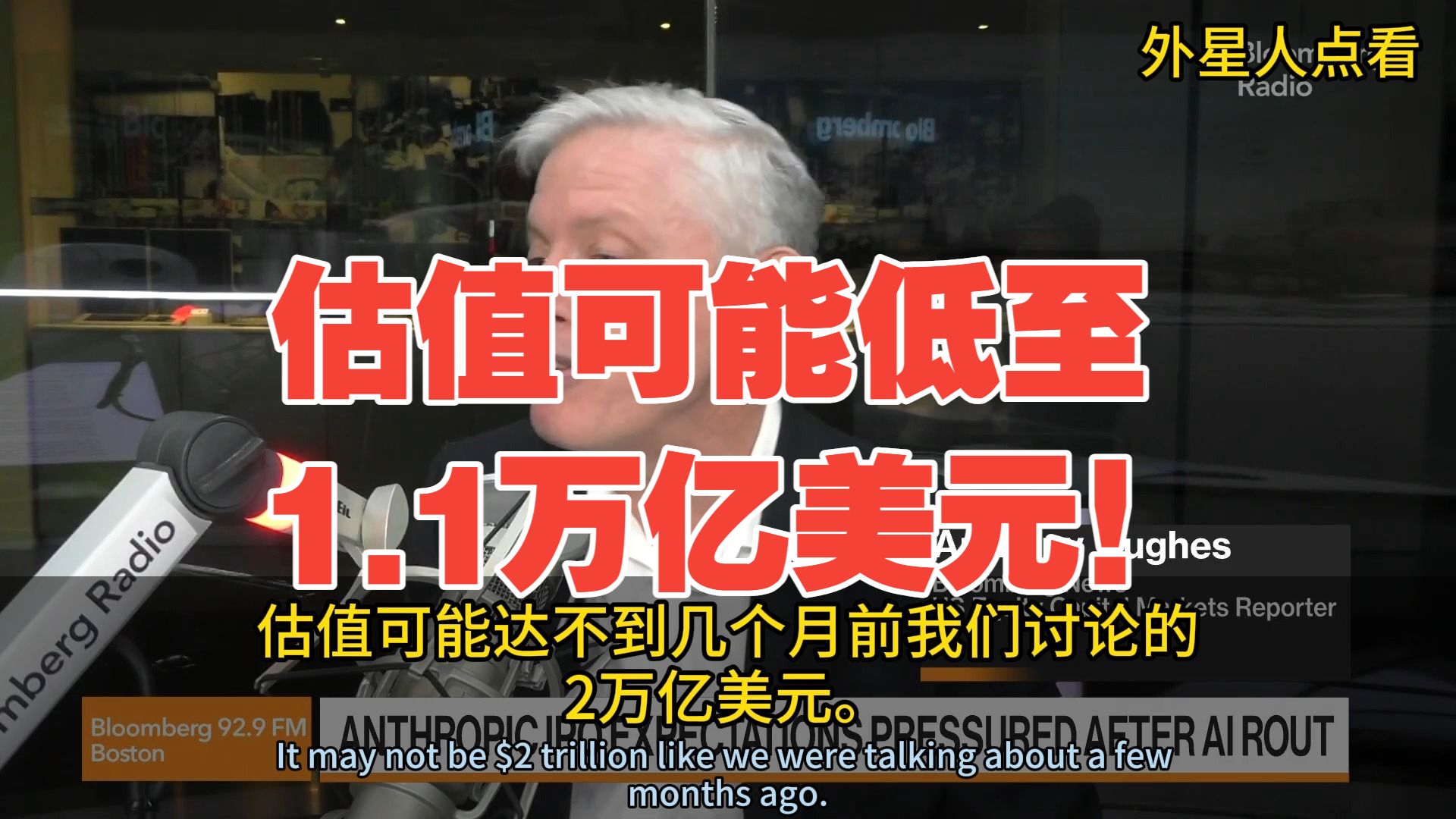
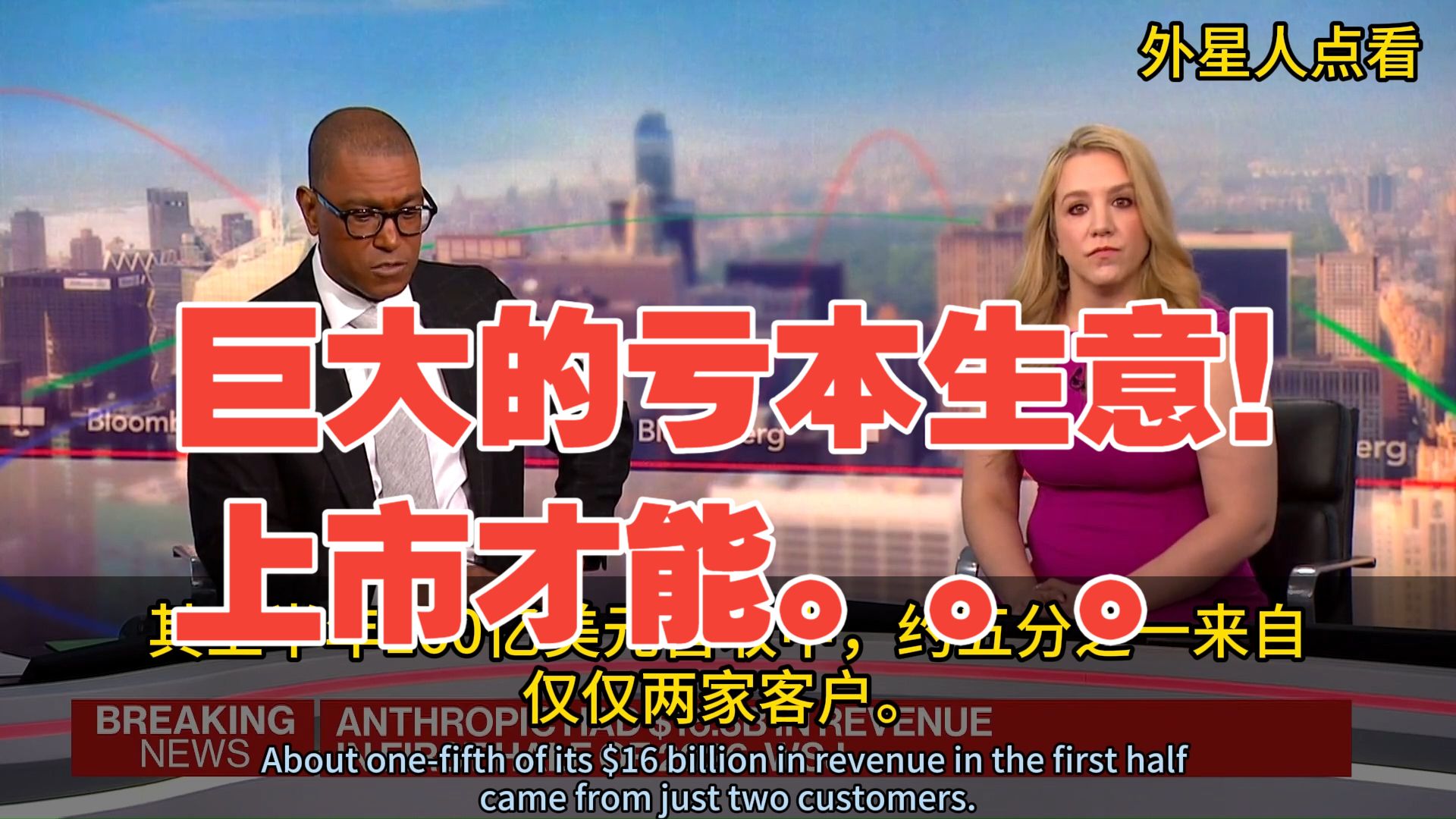
This video examines Anthropic, a company just five years old that has already filed for an IPO, which the market at one point valued at as much as $2 trillion. The author argues investors are drawn to three things: explosive growth, with disclosed Q2 revenue roughly 15 times the same period last year; high switching costs from deep integration between enterprise customers and its models; and 'remaining performance obligations' in the prospectus—irrevocable future contracts. But the author flags a concern: AI capability prices are falling fast. According to research firm EPOCAI, since 2023 the minimum usage cost to reach the same benchmark performance has dropped to 1/13 of its original level within a single year, raising doubts about whether revenue growth can outpace price declines. The video also uses the electricity era (the bankruptcies of Edison and Insull) and the dot-com bubble (Global Crossing's collapse) to discuss how capital pays for the future in advance and how risk is layered across stakeholders, and compares funding systems in China, the US, and Europe: US venture capital absorbed roughly 3/4 of global AI venture funding in 2025, Chinese tech giants subsidize new technologies with legacy businesses, and Europe's insufficient capital scale (the European Central Bank says US venture funding is about six times the EU's) led DeepMind to sell to Google. The author closes with three questions: how much pure profit can the company retain, how much more money needs to be poured in, and how much of the future has the $2 trillion price tag borrowed against.